


.jpg)
.jpg)



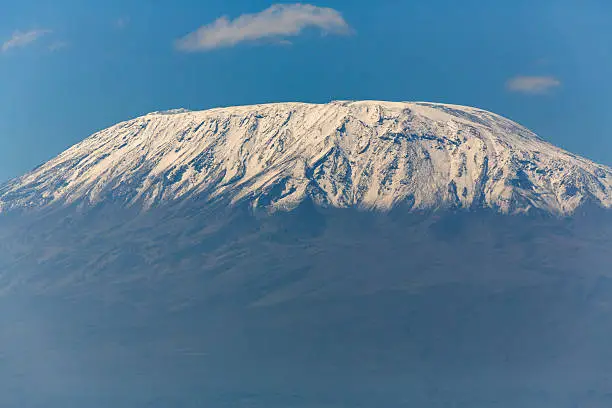
 Ngorongoro Conservation Area
 Volcanoes National Park





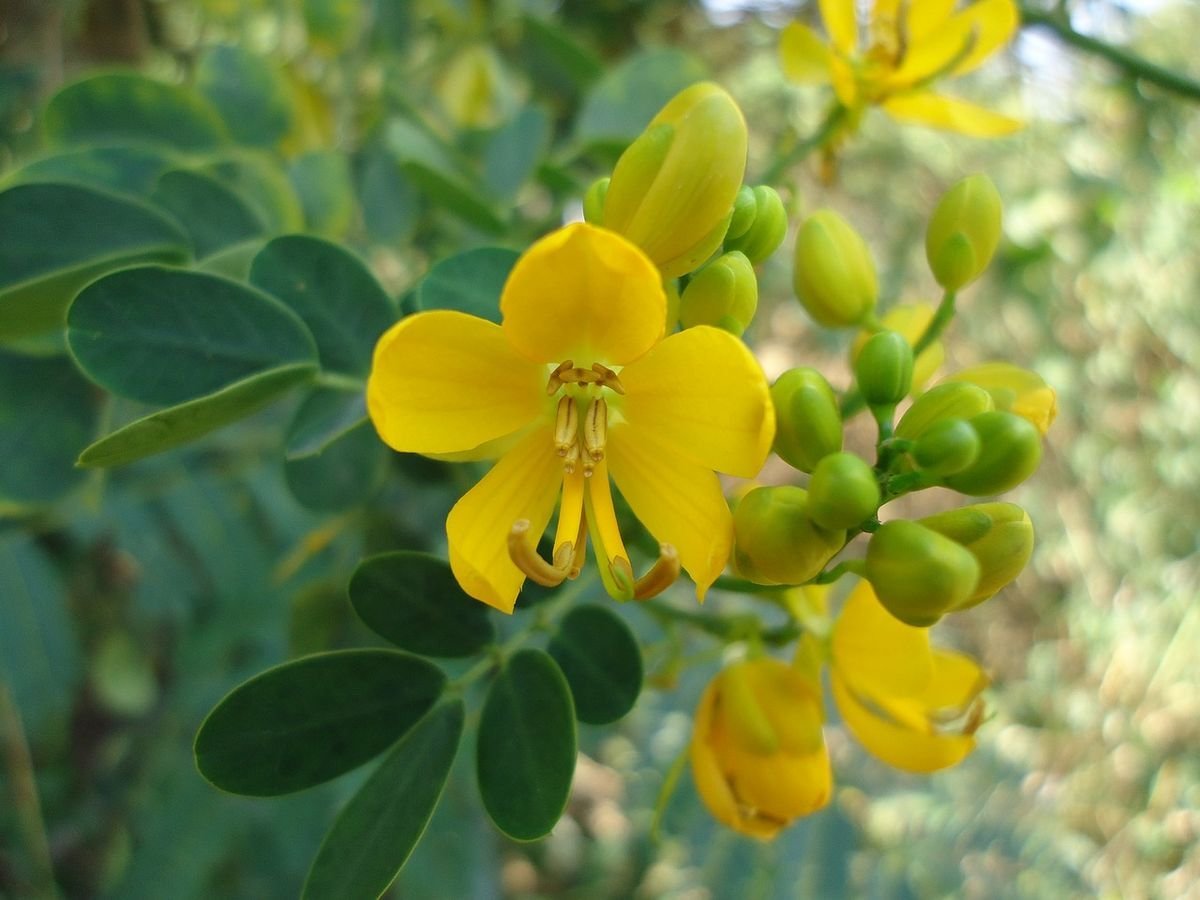

"Nzuri sana" is one of the most common positive responses in the Swahili language. It means "very good", "very nice", or "very fine". But its cultural weight goes beyond a simple translation. Learn how to use it correctly, when to say it, and why locals will appreciate your effort to speak their language.
If you spend any time in Tanzania or Kenya, you will hear "Nzuri sana" constantly. It is the standard, cheerful response to questions like "Habari?" (How are you?), "Habari gani?" (What's the news?), "U hali gani?" (How's your condition?), and even to compliments or observations about the weather, the food, or the wildlife. "Nzuri" alone means "good", "nice", or "fine". Adding "sana" (very, a lot, extremely) amplifies it to "very good". It is the verbal equivalent of a warm smile - a way of saying "Everything is great, thank you for asking." But like any phrase, it has nuances: when to use it, what not to pair it with, and how to respond when someone says it to you. This guide explores the literal meaning, grammatical breakdown, cultural usage, common contexts, and the relationship of "nzuri sana" to other Swahili positive responses.
I. The Literal Meaning - Breaking Down "Nzuri Sana"
"Nzuri sana" consists of two Swahili words:
- Nzuri - an adjective meaning "good", "nice", "fine", "beautiful", or "pleasant". It can describe people, things, situations, or states of being. It is one of the most versatile positive adjectives in Swahili.
- Sana - an adverb meaning "very", "a lot", "extremely", or "much". It intensifies the word it follows.
Thus, "nzuri sana" translates directly to "very good", "very nice", "very beautiful", or "very fine". It is a stronger, more emphatic version of "nzuri" alone. Think of it as the difference between "good" and "great" in English.
Grammatical Note - Adjective Agreement
Swahili adjectives must agree with the noun they describe. "Nzuri" is the form used for noun classes 9 and 10 (many common nouns, including abstract concepts like "habari"). That is why we say "habari nzuri" (good news). If you were describing a person (noun class 1), you would say "mzuri" (good person). For the phrase "nzuri sana" as a standalone response, it is understood as an abbreviated form of "(Mambo au habari) nzuri sana" - so the adjective remains in the class appropriate to the implied noun. As a visitor, you do not need to worry about these details; just use "nzuri sana" as a fixed phrase.
II. Everyday Use - When to Say "Nzuri Sana"
"Nzuri sana" is used in a wide variety of everyday situations. Here are the most common contexts:
| Situation | Question or Statement | Response "Nzuri Sana" |
|---|---|---|
| Greeting response | "Habari?" (How are you?) | "Nzuri sana." (Very good.) |
| Responding to "Habari gani?" | "Habari gani?" (What's the news?) | "Nzuri sana." (Very good news!) |
| Comment on weather | "Jua linawaka." (The sun is hot.) | "Nzuri sana kwa kuogelea." (Very good for swimming.) |
| Reacting to good news | "Tumefika kileleni!" (We've reached the summit!) | "Nzuri sana!" (Very good / fantastic!) |
Real-Life Dialogue Example
Person A: "Habari za asubuhi?" (How's the morning?) Person B: "Nzuri sana! Na wewe?" (Very good! And you?) Person A: "Salama tu." (Just peaceful.) Person B: "Sawa. Karibu chai." (Okay. Welcome, have some tea.) In this exchange, "nzuri sana" sets a positive, upbeat tone.
III. Nzuri Sana vs. Other Positive Responses
Swahili has several ways to express that things are good. Here is how "nzuri sana" compares to other common responses:
| Response | Meaning | Intensity | When to Use |
|---|---|---|---|
| Nzuri | Good / fine | Neutral | Standard, everyday response |
| Nzuri sana | Very good / great | Strong | When you are feeling excellent, or to be polite and enthusiastic |
| Njema | Good (slightly more formal) | Neutral | Also common, especially in some regions |
| Salama | Peaceful / fine | Neutral to mild | Often used as a response to "Habari?" in Zanzibar |
| Safi (slang) | Clean / cool | Informal | Youth, among friends |
| Poa (slang) | Cool | Informal | Very casual, common in Nairobi |
| Freshi (slang) | Fresh / excellent | Strong, informal | Contemporary urban slang |
Which Response Should Tourists Use?
"Nzuri" or "nzuri sana" are the safest and most universally appropriate choices. They are understood by everyone, from rural elders to urban youth, and convey warmth and positivity. "Nzuri sana" adds a touch of extra enthusiasm - locals will appreciate it. Save slang like "safi" or "poa" for informal settings where you feel comfortable.
IV. Cultural Etiquette - Using "Nzuri Sana" Respectfully
While "nzuri sana" is a positive phrase, its usage still requires attention to cultural norms:
- Always respond to greetings. In Swahili culture, ignoring a greeting is considered rude. When someone asks "Habari?" or "Habari gani?", you must answer - even a brief "Nzuri" is far better than silence.
- Return the greeting. After saying "Nzuri sana", it is polite to ask "Na wewe?" (And you?) or "Habari yako?" (How are you?). This reciprocates interest.
- Use with a smile. "Nzuri sana" delivered with a genuine smile and eye contact conveys sincerity. Delivered flatly, it can seem dismissive.
- Do not use it to answer a question about a specific problem. If someone asks "Kuna shida?" (Is there a problem?), answering "Nzuri sana" would be confusing. Use it only when asked about your general state or opinion.
- It is fine to repeat it. In Swahili, repetition ("Nzuri, nzuri sana") is common and adds emphasis. Do not worry about overusing it.
Greeting Etiquette - Slow Down and Engage
Westerners often rush greetings, treating "How are you?" as a formality. In Swahili culture, the greeting is the beginning of a conversation. After "Nzuri sana", expect follow-up questions: "Habari za asubuhi?" (how's the morning?), "Habari za nyumbani?" (news from home?), "Habari za kazi?" (work news?). Answer briefly - "Nzuri" - and then ask back. This back-and-forth builds connection. Trying to rush through to your "real" request comes across as rude.
V. Other Uses of "Nzuri" - Describing People, Places, and Things
While "nzuri sana" is most often used as a response to a greeting, "nzuri" itself is an adjective that can describe almost anything. Here are examples: